![Tips for Selling a House With Termite Damage [market_city]](https://image-cdn.carrot.com/eyJidWNrZXQiOiJwcm9kdWN0aW9uLmNhcnJvdC11cGxvYWRzLm9uY2Fycm90LmNvbSIsImtleSI6InVwbG9hZHMvc2l0ZXMvNTA2MTQvMjAyNi8wNy9UaXBzLWZvci1TZWxsaW5nLWEtSG91c2UtV2l0aC1UZXJtaXRlLURhbWFnZS5qcGciLCJlZGl0cyI6eyJyZXNpemUiOnsid2lkdGgiOjExNTJ9LCJ0b0Zvcm1hdCI6IndlYnAiLCJ3ZWJwIjp7InF1YWxpdHkiOjcwfX19)


Termites cost American homeowners roughly $5 billion every year, and most sellers only find out they have a problem when a buyer’s inspector does. This discovery, right in the middle of a transaction, is where sales fall apart, and sellers panic. You don’t have to panic. Blue Wave Investments helps homeowners explore their selling options, and there’s a clear path through this that starts by understanding what you’re actually dealing with.
Can You Sell a House with Termite Damage?
Experienced buyers and real estate agents who work this market regularly have seen termite history on disclosure forms hundreds of times. A disclosed termite issue, with documentation to back it up, rarely kills a sale the way sellers fear it will, because experienced buyers here have already priced that risk into their expectations. Surprises are what derail transactions. A buyer hires an inspector, the inspector finds termites, and the buyer realizes the seller said nothing about it. Trust evaporates, and the buyer walks. That’s the scenario worth avoiding, not the disclosure itself.
The Sutton family reached out on a Tuesday last spring, splitting up assets after a divorce. They had a property in West Covina with a finished garage workshop they were proud of, but hadn’t touched in two years. Wood shavings along the baseboards of that workshop pointed to western drywood termites. They just wanted the sale handled, cleanly and fast, without attorneys arguing over who should pay for remediation. We closed their sale in a couple of weeks. The termite history didn’t stop the transaction; the paperwork trail we built around it is what made it work.
Homes with a documented termite history typically sell for 3 to 5 percent less than comparable properties, but that gap shrinks when sellers show up with a clean treatment record, solid documentation, and a realistic price. The gap widens badly when sellers try to hide it. Buyers have seen enough of these situations to know what a prepared seller looks like, and they respond to it because transparency signals that the rest of the sale will go smoothly, too.
Selling with termite damage is not easy in the same way that selling any complicated property isn’t easy. But it’s absolutely doable, and plenty of homeowners do it every year without leaving a fortune on the table.
What Causes Termites in Homes?
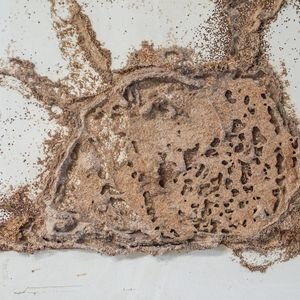
A homeowner called me last year after a pest management company found activity running through the attic framing. She’d bought the house seven years earlier, never saw a single bug, and had no idea the colony had been quietly working through the wood above her master bedroom ceiling (roughly four feet of structural lumber).
A termite colony typically takes more than five years to grow to a size where it can cause visible, measurable damage. By the time you spot the mud tubes, the hollow-sounding walls, or the buckled drywall, the infestation has been there long enough to do real structural harm. Long dry summers and mild winters keep colonies feeding nearly year-round here, so the damage builds quietly instead of pausing for a hard freeze.
Two species show up most often in inspections here. Subterranean termites travel up from the soil and build mud tunnels along your foundation, concrete slabs, and wood framing to reach food sources while staying protected from the open air. Western drywood termites work differently. They need no contact with soil at all, colonizing attic rafters, window frames, and siding directly, which is why they go unnoticed for years and why whole-house fumigation is so common in this part of the state. California carries the heaviest drywood termite pressure of any state in the country, and the coastal and inland stretches of Southern California sit at the center of it.
Wood-to-soil contact around a foundation, poor drainage that keeps moisture against framing members, untreated wood stored in crawl spaces, and mulch pushed tight against exterior walls all create easy entry points. Older homes with pier-and-beam construction have more exposure than slab foundations, but slab homes are not immune. Termites find gaps in plumbing penetrations, cracks in the slab, and expansion joints to move from soil into the wood above, which means even a newer slab build can have active termite pressure if the grade shifted or plumbing was poorly sealed.
Sellers benefit from knowing the entry points because a pest control professional writing up a treatment plan will identify them, and that report gives buyers something concrete to evaluate instead of an open-ended fear about what might be lurking.
How to Spot Termite Damage Before Buyers Do
A seller in Upland prepped her home, repainted every room, replaced the kitchen faucet, and staged the living room beautifully. Her buyer’s inspector spent twelve minutes in the crawl space, and the listing fell apart. She’d missed the soft wood around the back door frame entirely, which is exactly the kind of spot I always check before anything else goes on the market.
Inspectors and their buyers are looking for things sellers walk past every day without registering. Getting ahead of the inspection means slowing down and looking at your own home the way a stranger would.
Mud tubes are one of the clearest indicators. They look like thin, dried dirt tunnels running up foundation walls, along joists, or across concrete. California’s Transfer Disclosure Statement asks sellers about significant defects in the walls, roof, floors, and foundation, and termite damage in any of those areas is something sellers must address. So if you see staining or bubbling paint on an interior wall, wood that sounds hollow when you knock on it (I’ve tapped plenty of door frames that sounded like cardboard), or door frames that have started to bow slightly, those are all areas worth investigating before a buyer’s pest inspector gets there first.
Check the attic. Termite activity in the attic framing is easy to overlook because most homeowners rarely go up there. Bring a flashlight and look at the rafters and ridge boards for galleries (the channels termites carve through wood) and frass, which is the fine wood-dust debris they leave behind.
Exterior wood is another common entry point that sellers under-prepare. Fascia boards, window sills, wood trim around garage doors, and any wood that makes contact with the dirt around your home’s perimeter should all be looked at closely, because soft spots you can press a screwdriver into without resistance are a red flag.
Getting a professional pest inspection done before listing does two things. First, you know exactly what’s there, so there are no surprises. Second, the written report becomes part of your disclosure package and shows buyers you have nothing to hide, which is a surprisingly powerful selling tool (especially with first-time buyers already nervous about condition).
Do You Have to Disclose Termite History When Selling?
California’s Transfer Disclosure Statement doesn’t hand you a termite checkbox to tick. It asks whether you’re aware of significant defects in the structure, and active termites or the damage they’ve left behind qualify. The document buyers actually read is the Wood Destroying Pests and Organisms report, prepared by an inspector licensed through the Structural Pest Control Board, which splits findings into Section 1 for active infestation and damage needing treatment now, and Section 2 for conditions that invite future problems. Sellers who think that treating a problem before listing clears them of disclosure obligations are wrong. Any treatment or damage still belongs on the form and in the paperwork you hand over.
The legal exposure for failing to disclose is real. Sellers who fail to disclose known defects can face fraud and negligent misrepresentation claims, rescission of the sale, and civil liability for damages under California’s disclosure statutes. Real estate attorneys who handle these disputes don’t charge cheap hourly rates, and the judgment amounts in fraud claims can exceed the value of what you “saved” by staying quiet. Getting lawyers involved after closing is almost always worse than pricing the termite history into your sale upfront, and I’ve never seen a seller come out ahead by gambling on that outcome.
A detail most articles skip: the disclosure obligation doesn’t end when you sign the form. A seller who becomes aware of new information or issues after completing the disclosure form but before the sale is finalized is obligated to update the disclosure. So if a pest inspection turns up new activity after you’ve already delivered the disclosure to a buyer, you have to go back and update it. Sitting on new information at that stage carries the same legal risk as never disclosing in the first place.
Your real estate agent carries obligations here, too. Real estate license law requires agents to disclose material facts about a property they know about. If your agent is aware of termite history and doesn’t make sure it’s on the form, they’re exposed alongside you. This is one situation where having a knowledgeable Realtor matters far more than most sellers realize when they’re focused on commission rates.
Should You Treat Termites or Offer Concessions to Buyers?
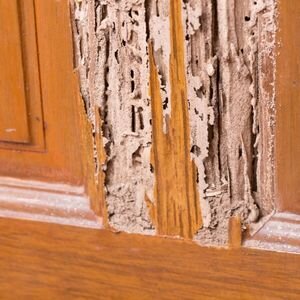
Here’s the math most sellers don’t run. A localized termite treatment runs between $1,000 and $3,000, and whole-house fumigation for drywood termites, the usual remedy in Southern California, runs closer to $2,000 to $8,000 depending on the size of the home. Buyers who find an untreated problem during their pest inspection will ask for that treatment cost plus a buffer for their trouble, often padding the ask by 50 percent because they’re now nervous about what else might be wrong. So the seller who didn’t spend $2,000 on treatment ends up giving back $3,000 in concessions and still closes with a wary buyer who barely trusts the transaction. On a home that needs fumigation, the same math runs several thousand dollars higher.
Treating before listing also opens your buyer pool. Many lenders, particularly those processing FHA or VA mortgage loans, require a clear termite inspection before they’ll approve financing. A home with an active infestation on the inspection report can’t close with those loan types without remediation first. Skipping treatment means you’re locked out of every buyer relying on those government-backed programs, and in California, that is a large share of the market.
Admittedly, treating doesn’t always mean full structural repair. Some damage is minor enough that homeowners choose not to repair it after controlling the infestation. If the structural integrity is sound and the termites are gone, a clear treatment certificate with proper documentation can be enough to satisfy most buyers and their lenders. Significant framing damage is a different conversation and needs a licensed contractor’s evaluation before you put the property on the market.
Offering a concession instead of treating upfront works best in one specific scenario: you’re selling to a cash buyer or investor who doesn’t need lender approval and prefers to control the remediation themselves. In that case, a price adjustment often moves faster than waiting on pest management schedules.
What Termite Warranties and Remediation Records Do Buyers Actually Want?
Buyers who see a termite history on a disclosure form need something to hold on to. A verbal reassurance from a seller that “we had it taken care of” is not that. What they want is a paper trail they can hand to their lender, their attorney, and their own future buyers if they ever resell the property down the road (inspections, warranties, treatment receipts).
A transferable termite warranty is one of the most effective tools a seller can put on the table. A history of termite infestation, even when treated, can stigmatize a property, but a transferable termite warranty is one of the assurances that helps attract buyers and reduce that stigma. Most pest control companies that offer annual warranties will allow the coverage to transfer to a new owner for a fee, sometimes small, sometimes a couple of hundred dollars. That gives the buyer ongoing protection and shows them the pest management company stands behind the work, which I’ve found matters a lot to buyers who are already nervous about prior treatment.
What does a complete documentation package look like? The pest inspection report from a licensed inspector, the treatment records showing what was applied and when, any follow-up inspections confirming clearance, a written warranty with the company’s contact information, and contractor receipts for any structural repairs made post-treatment. If the original infestation triggered an insurance claim, include that paperwork too, even though most standard homeowner’s insurance policies exclude termite damage.
How to Price and Market a Home with Termite History
You must price a home with termite history by taking an honest look at comparable sales, not just what your neighbors sold for. Pull comps for properties in your zip code that disclosed termite treatment and look at the sale-to-list-price ratio. Your real estate agent should be able to do that analysis, and if they won’t, find one who will. The goal isn’t to drop the price dramatically just because termites appeared on your history; it’s to price to reflect the accurate condition so buyers don’t feel like they’re taking on hidden risk.
Visible signs of pest infestation can reduce a property’s appeal to buyers and lead to a longer time on the market and lower offers. The antidote to that pattern is transparency paired with preparation. A listing description that proactively says the home had a termite treatment in a given year, has been professionally cleared, and comes with a transferable warranty reads very differently from one that says nothing and lets the inspector find it. Buyers who are already prepared for what they’ll see in the inspection report are far less likely to use it as leverage.
You need strong marketing photos here, too. If you’ve repaired and painted over damaged drywall or wood trim, get professional photos that show the quality of that work. Buyers who are worried about cosmetic damage from past termite activity are reassured by seeing it’s been properly addressed, not just patched with caulk.
Cash buyers and real estate investors, as a group, respond well to clear pricing on termite-affected properties. They don’t need mortgage lending approval; they have contractors they trust, and they’re comfortable evaluating properties others shy away from. Reaching out to a company that buys homes in Chino or nearby cities before listing gives you a baseline offer you can compare against whatever the open market produces, and it costs you nothing to get that number.
You Have More Options Than You Think When Selling a Termite-Damaged Home
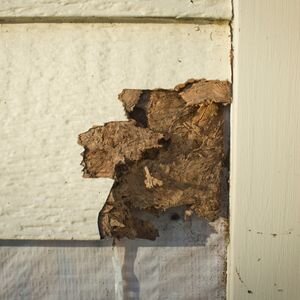
Nobody will buy a house with termite damage. That’s the objection I hear most, and it’s wrong more than it’s right. The real estate market has a buyer for almost every condition of property. Buyer type and price point will determine the outcome.
Your options actually break into three paths. Selling on the open market after treating and repairing gives you the widest buyer pool and usually the highest sale price, but it takes the most time and upfront cost. Selling on the open market with disclosure and a price reduction for the buyer to handle remediation themselves is faster but tends to attract lower offers from retail buyers who are skittish about the unknown. Selling directly to a cash buyer or investor skips the repair process and closes fast, with no showings, no lender requirements, and no failed inspections derailing your timeline (I’ve seen this path save a full month).
Elena Henderson owned a rental, a two-bedroom bungalow she’d inherited from her aunt. By the time she contacted us on a Friday afternoon, she’d already spent three years chasing rent, dealing with repairs, and managing tenants she never wanted to manage in the first place. The property’s crawl space had active subterranean termite activity, and the framing along the back porch needed attention. She wasn’t interested in being a landlord for another eight months while contractors worked through the property. We made her an offer that accounted for the repair costs; she didn’t have to coordinate a single estimate, and she moved on with her life.
Not every seller is Elena. Some sellers have the time, the funds, and the appetite to fix the property properly and capture full market value. That’s a legitimate path. But the option to sell directly, without repairs, without showings, and without waiting on mortgage underwriting, is real and available, and far more sellers should know it exists before they spend money they won’t recoup.
Over 600,000 homes across the country are affected by termite damage annually. Sellers navigating this are not in unusual territory. There are established processes, established buyer types, and, if you price and present the property correctly, a clear route to closing.
If you want to explore what a direct sale looks like for your situation, cash home buyers in Southern California or surrounding cities can provide a fair offer based on your property’s actual condition, with no judgment, no pressure, and no obligation.
Frequently Asked Questions
Is It Hard to Sell a House That Has Had Termites?
It’s harder than selling a property with no termite history, but it’s far from impossible. Sellers who disclose fully, bring documentation of treatment, and price the property to reflect its condition, sell homes with termite history every day. Where sellers run into real trouble is trying to hide it, which creates legal exposure and tends to collapse the sale at the worst possible moment.
Is It Okay to Buy a House That Has Been Treated for Termites?
Buying a treated home is generally fine as long as you verify the treatment was done by a licensed pest control company and the documentation backs it up. Ask for the treatment records, any follow-up inspections, and whether the warranty is transferable. A home that was treated, cleared, and properly documented is not a hidden risk; it’s a known quantity, which is actually easier to evaluate than a home with no termite history at all.
Do Realtors Have to Disclose Termites?
Yes. Real estate agents are legally obligated to disclose material facts about a property they’re aware of, and termite history qualifies as a material fact. California agents operate under a strict set of disclosure obligations, set out in the Real Estate Law in Division 4 of the Business and Professions Code and enforced by the Department of Real Estate, designed to prevent fraud and maintain ethical standards. If your agent knows about termite activity and fails to make sure it’s captured in the disclosure, they can face license consequences alongside any civil liability.
Do Termites Devalue a Home?
They do, and the range varies based on how the situation is handled. A treated and documented history usually costs a seller a low single-digit percentage of the sale price. Untreated, undisclosed, or structurally severe damage pushes that gap wider. Sellers who treat the problem, document it thoroughly, and price accordingly recover much of that value, sometimes all of it, especially when they include a transferable warranty that gives buyers ongoing coverage.
Need to sell a house with termite damage? Whether you want to avoid expensive repairs, sell quickly, or maximize your sale price, Blue Wave Investments is here to help. We provide fair cash offers based on your home’s current condition, so you can skip the hassle of repairs, inspections, and lengthy negotiations. Contact us at (866) 613-3041 for a no-obligation cash offer and discover how easy it can be to sell your house with termites while getting the best possible value. Get started today!
Helpful Los Angeles Blog Articles
- Can I Rent Out My House During Divorce in Los Angeles, CA
- Can You Sell a House As-Is Without Inspection in Los Angeles, CA?
- Can I Sell My House in Los Angeles, CA, and Still Live in It?
- Can I Sell My House in Los Angeles, CA, if I Filed Chapter 13?
- Should I Replace Windows Before Selling My House in Los Angeles, CA?
- How To Sell a House With Mold
- How to Sell a House with Termites