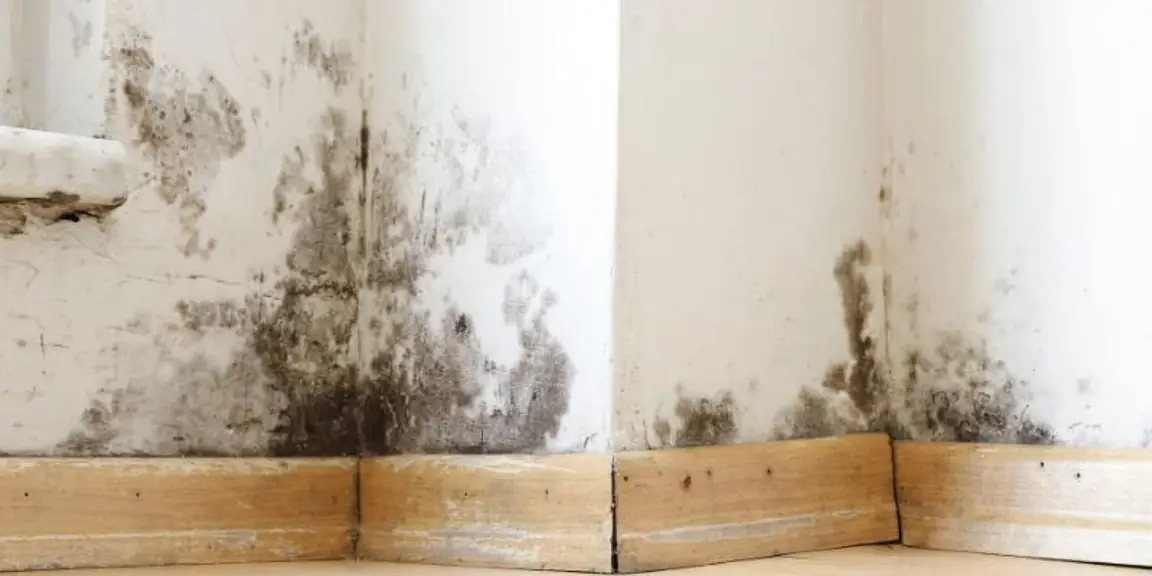

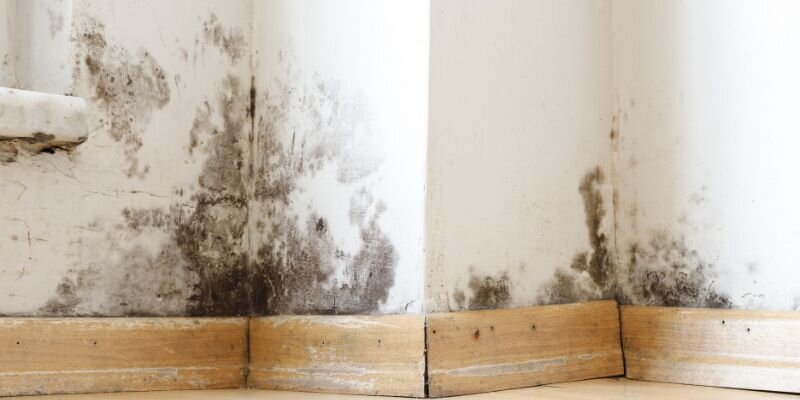
Mold shows up in the worst moments. You’re already stressed about the move, the finances, the timeline, and then the inspector calls with that one word that makes every seller’s stomach drop. I’ve bought houses across Southern California, from West Covina to Los Angeles and beyond, and I can tell you that mold is far more common than sellers expect. It’s also far more manageable than they fear.
The mistake most sellers make is treating mold as a stop sign. It isn’t. It’s a speed bump, and how you handle it determines whether you cross the finish line with a fair deal or end up bleeding money through months of failed listings and missed opportunities.
Signs of Mold and What They’re Telling You
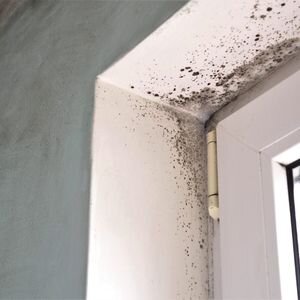
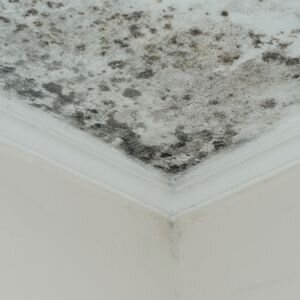
Mold rarely announces itself politely. Most sellers I work with had a hunch something was off weeks before they found a problem. A persistent musty smell in the basement, a dark smear in the corner of the bathroom ceiling that keeps coming back after you wipe it, or peeling paint near a window that was never properly flashed. These aren’t just cosmetic annoyances; they’re mold’s calling card.
Visible mold growth on walls, ceilings, or grout is the obvious one. But spores spread through your HVAC system, which means the problem you see in one room may have already traveled into walls or ductwork you can’t see without a proper mold inspection. Condensation forming regularly on windows, especially in winter, signals moisture levels high enough to feed mold growth. Discoloration that’s green, black, white, or even orange on any porous surface deserves serious attention.
One pattern I keep seeing: sellers notice a water stain on a ceiling, assume it’s old and dry, and don’t think twice about it. Mold can take root within 24 to 48 hours of a moisture event, so a stain from a roof leak two seasons ago may have already done its damage behind the drywall. Buyers’ inspectors will find it. Getting ahead of it yourself is smarter.
Crawl spaces, attics, and behind bathroom tile are where mold can grow unchecked for years. These spots are easy to ignore because they’re out of sight, which is exactly why they become the problem. If your home has had any plumbing issues, roof leaks, or flooding, those areas should be at the top of your list to check before listing.
Who Is Responsible for Mold Testing When Selling a House?
Sellers sometimes push back on the idea that they need to do anything before the buyer’s inspector arrives. Letting the buyer test if they want to sounds reasonable, that approach almost always backfires.
Mold testing before listing is the seller’s smartest move, not the buyer’s job. When a buyer’s inspector discovers mold mid-transaction, the entire deal shifts. A buyer’s agent calls for a mold assessment, the buyer gets nervous, and suddenly, you’re negotiating from a position of weakness with a hard deadline. A pre-listing mold inspection hands you information first, giving you control over how it’s priced and disclosed.
A certified industrial hygienist or a licensed mold assessor should conduct the inspection. They’re different from a general home inspector; they can actually identify the type of mold, its concentration in the air, and whether remediation is the right course or whether a simple fix to the moisture source is sufficient. If you’re in California, the state’s Department of Consumer Affairs or your local environmental health department can point you toward licensed mold assessors in your area. The EPA’s guide to mold in homes is also a solid resource for understanding what inspectors are actually looking for.
Running a mold assessment before listing almost always costs you less than renegotiating a sale that’s already under contract. A seller who walks into negotiations with a clean inspection report or a completed remediation report is in a completely different conversation than one who’s reacting to a buyer’s surprise findings.
How to Prepare Your Home for a Mold Inspection
Skip the preparation and you risk the inspection catching problems in the worst possible order, forcing emergency decisions under time pressure.
Fix the moisture source before anyone shows up to test. Mold is a symptom; water intrusion is the disease. An inspector who finds active moisture alongside active mold growth is going to flag the property as an ongoing risk, not a past one. This distinction matters to buyers, mortgage lenders, and appraisers, directly affecting what offers you actually receive.
Give the inspector access to every area where moisture could hide: under sinks, behind appliances, inside the attic, underneath the home if there’s a crawl space. Locking off rooms or blocking access doesn’t make problems disappear; it just makes buyers suspicious later. Replace any damaged grout or caulking around tubs and showers before the inspection if you already have a contractor in the house anyway, because those are common mold hiding spots that are cheap to fix.
Do not paint over mold before an inspection or before disclosing it. Beyond being illegal in most states, paint doesn’t stop mold growth; it just puts a temporary mask over it. Inspectors test air quality, not just what they can see on walls. Covering mold with paint and then selling the property is one of the fastest paths to a lawsuit, and I’ve watched sales unwind months after closing because of exactly this.
Pull together any prior inspection reports, plumbing repair records, or documentation of past water issues. Having that paper trail ready shows good faith and gives the inspector context. Transparency resonates with buyers and their agents, so you spend less time fielding worried phone calls the week before closing. It builds the kind of trust that keeps sales from falling apart at the last minute.
Do You Have to Disclose Mold When Selling a House?
In California alone, sellers are legally required to complete a Transfer Disclosure Statement that covers known mold problems, and failure to do so can mean lawsuits, the rescission of the sale, and financial penalties. That’s one state. Across most of the U.S., including Ohio and Maryland, disclosure laws treat mold as a material defect that must be reported, leaving no gray area to hide behind once you’ve seen it.
Short answer: yes, you almost certainly have to disclose it. If you know mold exists, you tell the buyer. There are very few legal gray areas here, and those gray areas are shrinking as courts take mold cases more seriously. In 2024, a Texas jury handed down a $1.06 million verdict in a mold case. Courts aren’t pulling back on this.
What a lot of sellers don’t fully grasp is that disclosure protects you as much as it protects the buyer. When you sell a house with termites, putting the infestation or damage in writing on the disclosure form creates a record that you told the buyer what you knew. A buyer who accepts a disclosed mold problem and then sues you after closing has a very weak case. A buyer who discovers mold you knew about and never mentioned has a very strong one, and I’ve watched that scenario play out in litigation more than once.
Skipping disclosure to protect your sale price is a short-term calculation with long-term consequences. A real estate attorney in your state can walk you through exactly what your disclosure form requires, which is worth a one-hour consultation before you list (forms vary more than sellers expect).
What Mold Disclosure Laws Require Sellers to Know
I used to think disclosure was mostly about ticking a box on a form. It’s not. A form is the minimum; the legal obligation runs deeper.
Most state disclosure laws cover “known material defects,” and mold absolutely qualifies. What catches sellers off guard is the phrase “known or should have known.” A seller who had repeated roof leaks, received written warnings from a contractor, and then sold the house without disclosing mold can’t simply claim ignorance. Courts look at whether a reasonable person in your situation would have known about the problem. If the signs were obvious, that standard isn’t hard to meet.
Ohio’s residential property disclosure form, for example, asks directly about water intrusion and known defects affecting the property. Maryland’s law similarly requires disclosure of material facts that could influence a buyer’s decision. States like these aren’t waiting for a seller to volunteer information; they’re asking specific questions on the disclosure form that demand honest answers (water intrusion questions get surprisingly granular). The HUD residential resources page has background on federal-level expectations for property condition disclosure.
Some sellers in states without explicit mold disclosure statutes assume they’re in the clear. They aren’t. General fraud and misrepresentation laws still apply, even where no specific mold law exists. If a buyer can prove you knew about a moisture problem and said nothing, a court doesn’t need a mold-specific statute to rule against you. Consulting a real estate attorney before listing is the cleaner path.
What Must Be Disclosed When Selling a House with Mold
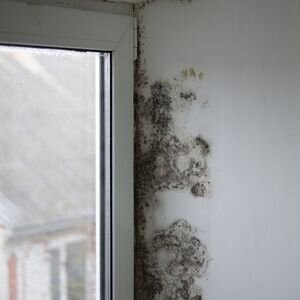
Remediation reports are one piece of the disclosure picture that most articles completely ignore. If you had mold remediated at any point while you owned the home, that remediation history is part of what buyers need to know (certified clearance testing included), even if no mold remains.
Disclosure isn’t just “mold is present.” It covers where the mold was found, what type it was if testing identified it, what remediation was performed, who performed it, and whether post-remediation testing confirmed the problem was resolved. Buyers who get all of that documentation upfront feel far more confident than buyers who just see a checkmark on a form.
You need to find the moisture source, too. Disclosing that mold was found in the basement without mentioning the foundation crack that caused it is incomplete disclosure. Root cause is part of the picture, and a real estate attorney will tell you the same. Mortgage lenders often require mold remediation documentation before approving financing, so withholding information doesn’t just expose you to lawsuits; it can kill the financing on a sale you thought was done (I’ve watched closings collapse at the last minute over exactly this).
Cross-contamination through HVAC systems is another area that deserves transparency. If mold spores traveled through the heating and cooling system, buyers deserve to know that the ducts were cleaned as part of remediation. An HVAC that spread mold throughout the house and was never addressed is a different situation than one isolated to a bathroom corner.
Be upfront about past water intrusion events too, even ones you repaired. Every piece of honest documentation you provide is a layer of legal protection for yourself after closing.
What Happens If You Fail to Disclose Mold to a Buyer?
Can a seller really get sued over something like mold after the sale is closed?
Yes. Buyers who discover undisclosed mold after closing can sue for the cost of repairs, legal fees, and damages. In some cases, courts have ordered the rescission of the entire sale, meaning the seller gets the house back and refunds the purchase price. Few real estate outcomes get as bad as that.
The most common scenario plays out like this: the buyer moves in, smells something wrong, calls an inspector, and the inspector finds mold in a location that clearly predates the sale. The buyer’s attorney then subpoenas repair records, emails, and prior inspection reports. If any of those documents show the seller had notice of moisture or mold, the case is straightforward. Fraud and misrepresentation claims don’t require the seller to have lied outright; failing to share what you knew is enough.
Beyond private lawsuits, real estate agents who help sellers conceal known defects face license revocation and their own legal liability. This is why good agents push their clients hard on disclosure. It protects everyone in the transaction.
The legal cost of non-disclosure consistently outpaces the cost of proper remediation, which is not a close call once you’ve seen what a prolonged real estate lawsuit actually costs in time, stress, and attorney fees. Transparency isn’t just the ethical choice here; it’s the financially rational one.
Is Mold Remediation Before Selling Worth the Cost?
A seller I worked with in Riverside, California had two listing periods with a traditional agent expire last summer, both with zero offers, because buyers kept walking away after inspection. On the Friday we closed, she told me she wished she’d just dealt with the mold problem at the start instead of hoping buyers would overlook it.
That’s the pattern. Sellers who remediate before listing move faster and negotiate from a stronger position. Sellers who list without addressing mold watch buyers flee after inspection, offers get restructured with remediation credits, and sale collapse at the eleventh hour. Remediated homes with clean post-treatment testing reports simply sell better, and the data reflects that.
Homes with mold problems lose anywhere from 20 to 37 percent of their resale value on average, according to data tracked by the home services industry. On a $280,000 home, the low end of that range is more than $55,000 in lost value. Against that number, remediation costs look very different.
Whether remediation makes financial sense for you specifically depends on the scope of the problem. Small, contained mold growth in one bathroom or around a window? Remediate. A situation where structural materials in a large portion of the home are compromised? Math gets harder, and sometimes selling as-is to a direct buyer makes more sense. If you’re looking for a cash home buyer in Riverside, Blue Wave Investments can provide a fast, no-obligation cash offer without requiring repairs.
How Much Does Mold Remediation Cost?
Sit down with a seller who just got a remediation quote and the first thing they do is read you the number with the expression of someone who just got a root canal. The prices are always higher than expected, so let’s be realistic about what you’re actually looking at.
For small, contained problems like a bathroom ceiling or around a basement window frame, costs typically fall in the $500 to $1,500 range. That’s manageable for most sellers and often justifies doing the work before listing.
Moderate mold spread across multiple rooms or inside wall cavities pushes into the $2,000 to $6,000 range, which is the most common scenario I see in older homes in the Inland Empire. When the problem reaches structural materials or has worked its way into HVAC ductwork, costs can jump to $10,000 or well above that, sometimes $30,000 or more for whole-house contamination (ductwork remediation alone gets expensive fast).
Standard homeowners’ insurance covers mold remediation only when the mold resulted from a sudden covered event, like a burst pipe, rather than from long-term moisture neglect. If remediation costs are more than you’re willing or able to invest, working with cash home buyers in West Covina can be a practical alternative. Selling as-is lets you avoid repair expenses while still moving forward with your sale. Worth checking your policy before you assume you’re paying out of pocket. Get at least two or three quotes from licensed remediation contractors before committing, because pricing in this space varies.
One thing that trips sellers up: paying for remediation doesn’t mean you pay once and you’re done. Post-remediation testing by an independent assessor, which is separate from the company that did the work, confirms the job was actually completed. That independent clearance report is what gives buyers and their mortgage lenders confidence that the problem is genuinely resolved, and in my experience, it’s the document underwriters ask for first.
How to Sell a House with Mold
A woman I spoke with in Rancho Cucamonga had inherited a property where the previous owners had deferred maintenance for years; the crawl space had standing water most winters, and the mold situation was visible from the basement steps. She called me on a Wednesday, worried she’d have to gut the house just to get it sold.
She didn’t. What she actually had was a choice between three legitimate paths, and most sellers in her position don’t realize all three exist.
The first path is remediate and list traditionally. Fix the problem, get the clearance report, price the home fairly, and market it to retail buyers through a real estate agent. This works well when the remediation cost is modest, and your equity position can absorb it. The Hernandez family in Ontario, California went this route last summer after their agent helped them scope a contained bathroom mold problem. Their first two listings with a different agent had produced nothing; with proper remediation documentation and transparent disclosure, the property sold in under three weeks, which tells you how much the documentation itself does the selling.
The second path is disclose and negotiate. List the property with full transparency about the mold, price it below comparable remediated homes, and let buyers negotiate knowing what they’re getting. Some buyers, particularly investors and flippers, actively look for these situations. Your pool of buyers narrows, but the ones who show up are serious.
The third path is selling as-is to a direct buyer. If you’re wondering how Blue Wave Investments buys homes, the process is designed to purchase properties in their current condition, mold and all, without requiring sellers to fund remediation before closing. There are no agent commissions, no repair demands, and no financing contingencies that let buyers walk after a failed mold inspection. For sellers who don’t have the capital to remediate upfront, or who simply want to close fast and move on, this path is worth a real conversation (I’ve seen it close in under two weeks).
How to Work with Your Real Estate Agent and Attorney on Mold Issues
Most sellers expect their agent to lead the entire process, handling disclosure, managing buyers, and coordinating with contractors. Agents handle a lot, but the legal and liability layer of a mold situation is where that expectation runs into trouble.
Real estate agents are not attorneys. A good agent will tell you exactly that. They’ll help you price the property, market it, and manage offers, but they can’t give you legal advice about your disclosure obligations, and the sellers who find out the hard way usually didn’t ask the right question at the right time.
Your attorney’s job is to review your disclosure form before it goes to the buyer, confirm that your remediation documentation meets the legal standard in your state, and advise you on whether your specific situation creates any liability exposure. In states like Maryland and Ohio, where disclosure requirements are detailed and enforced, that review is worth every dollar it costs, and in my experience, it’s usually a lot fewer dollars than sellers expect.
What a good agent can do is help you position the disclosure strategically. Full transparency, paired with professional documentation of remediation and post-clearance testing, often reassures buyers rather than pushing them away. An agent who knows how to present that story to buyers and their agents can turn what feels like a liability into a demonstration of good faith.
Megan Sutton inherited a property in Fontana, California, packed with thirty years of belongings, a finished basement that had flooded twice, and three siblings who all wanted a clean exit as quickly as possible. The basement mold situation was real, and the siblings couldn’t agree on whether to remediate or sell as-is. Her attorney confirmed the disclosure obligations clearly, her agent helped scope the situation honestly, and they connected with Blue Wave Investments to get a fair cash offer without anyone having to fund remediation first. The garage still had two decades of tools and equipment in it on a Tuesday, and by Friday they had a closing date. Inherited estates move faster than most people expect once everyone stops debating and just picks a direction.
Frequently Asked Questions
Is It Hard to Sell a House with Mold?
Selling with mold is harder than selling without it, but it’s not impossible. The real challenge is that roughly half of buyers walk away once mold is discovered during inspection, even after remediation has been completed, which means your buyer pool shrinks. The sellers who navigate it best are the ones who get ahead of it: test early, fix what they can, disclose fully, and price honestly based on the property’s actual condition.
Does a Realtor Have to Disclose If a House Has Mold?
Yes. A realtor who knows about a mold problem and helps a seller conceal it faces serious consequences, including license revocation and personal legal liability. If you’ve told your agent about mold, that information has to go on the seller’s disclosure form. Agents are obligated to protect buyers from material misrepresentation, and mold qualifies as a material defect in virtually every state.
Does Mold Devalue a House?
Mold consistently reduces property values, with the impact ranging from 20 to 37 percent depending on severity and location. Appraisers factor in both the presence of mold and the cost of remediation when assessing a property, and mortgage lenders often won’t approve financing on a home with active mold growth. Getting a clearance report from an independent assessor after remediation is the most effective way to protect your home’s appraised value.
What If I Just Bought a House and It Has Mold?
If you closed recently and found mold that the seller knew about and didn’t disclose, you may have legal recourse. Document everything immediately: photos, inspection reports, and any communications from before the sale. A real estate attorney can review whether the seller had knowledge of the problem and advise you on whether a claim for damages, repair costs, or in severe cases, rescission of the sale is worth pursuing. Act quickly, because statutes of limitations apply to these claims.
If you’re sitting on a property with a mold problem and you’re trying to figure out what the right move is, Blue Wave Investments can help you understand your options. No pressure, no obligation, just a straightforward conversation about your situation before you decide what comes next.
Helpful Los Angeles Blog Articles
- Can I Rent Out My House During Divorce in Los Angeles, CA
- Can You Sell a House As-Is Without Inspection in Los Angeles, CA?
- Can I Sell My House in Los Angeles, CA, and Still Live in It?
- Can I Sell My House in Los Angeles, CA, if I Filed Chapter 13?
- Should I Replace Windows Before Selling My House in Los Angeles, CA?
- How To Sell a House With Mold
- How to Sell a House with Termites