
You can sell your house and still live in it. Sounds kind of backwards, but it’s a real thing people actually do all the time. You sell the property, get your money, and then immediately start renting it back from the new owner. Same house and neighbors. You just don’t own it anymore.
It’s called a sale-leaseback, and it’s for people who need cash but don’t want to move. In a pricey market like LA, where nobody wants to leave their neighborhood, this setup makes a lot of sense.
Check out this guide to learn more about how you can still live in your home even if it’s already sold!
Can You Sell Your House and Stay Living in It in Los Angeles, CA?
Yes, you can sell your house and stay living in it in Los Angeles, California. You sell the house just like any normal transaction, you transfer the deed, close escrow, all that standard stuff. Then you sign a rental agreement with the new owner and keep living there as a tenant.
Note, however, that finding a buyer who’s into this arrangement can be challenging. Regular buyers planning to move in won’t work, but investors and cash buyers love it because they get instant rental income from someone who already takes care of the place.
Blue Wave Investments can make a flexible cash offer that allows you to sell your Los Angeles home and continue living in it as a tenant, eliminating the hassle of moving while giving you immediate access to your equity.
Why Would Someone Consider Selling a House in Los Angeles, CA, While Still Living in It?
Different people have different reasons. Some need quick cash. Others are avoiding foreclosure. Some are planning ahead for retirement. Here’s what usually drives people to consider this.
Financial Flexibility Without Displacement
Let’s say you need a big chunk of money right now. Whatever you’re dealing with, selling your house releases that equity.
But moving disrupts everything. Your kids would change schools. You’d lose your commute route. Your whole routine gets thrown off.
A sale-leaseback gives you the cash without the chaos. You get your money at closing and then pay rent like any other tenant. Your life stays mostly the same, except now you have liquid cash instead of equity you can’t touch.
Avoiding Foreclosure While Maintaining Stability
Foreclosure is never a good thing. You’re behind on payments and getting threatening letters. The clock’s ticking, too.
Selling stops it cold. The sale proceeds pay off your mortgage, and the foreclosure process ends—often by working directly with investor home buyers in Los Angeles and other cities in California who can close quickly. But instead of scrambling to find a new place, you just become a renter in your own house.
You buy yourself time to get back on your feet financially. Your credit doesn’t get destroyed by a completed foreclosure. And you don’t have to compete in LA’s rental market, where you’re up against twenty other applicants for every decent place.
Estate Planning Considerations
Some older homeowners sell to their adult kids through a sale-leaseback. Parents get cash they can use now for retirement or medical stuff. Kids start building equity and get the family home.
It’s smarter than waiting for an inheritance in many cases. It also reduces estate taxes and keeps the house in the family. Plus, the parents get to stay in their home without dealing with all the ownership headaches.
Repairs become someone else’s problem, along with property taxes, insurance, and maintenance. You just live there and pay rent.
Accessing Equity While Aging in Place
If you bought your LA house twenty or thirty years ago, you have a lot of equity. However, that equity doesn’t pay for groceries or keep the lights on.
A sale-leaseback turns that paper wealth into actual money. You can beef up retirement savings, travel, help grandkids with college, or just have breathing room for unexpected expenses.
It’s cleaner than a reverse mortgage. You get a lump sum, and the deal is done. You become a regular tenant with all the protections California law provides. Plus, you don’t have to worry about complicated loan requirements or the house being eventually repossessed by the bank.
What Are Your Options for Selling and Staying
![Am I allowed to stay in my home after selling it In {market_city]](https://image-cdn.carrot.com/uploads/sites/50614/2026/01/Am-I-allowed-to-stay-in-my-home-after-selling-it.png)
If you’re thinking this could actually work for you, here are the different ways you can make it happen.
Sale-Leaseback Agreements
This is the option most people use. You sell your house at the market price, complete the closing, and then sign a lease and start renting from the new owner. That’s it.
The lease can be whatever you want. Month-to-month if you like flexibility. A year if you want stability. Three years if you’re planning ahead. It all depends on what works for you and what the buyer’s down for.
Negotiating Your Terms and Rent Payments
You and the buyer hash everything out during negotiations. How much rent you’ll pay, who handles what repairs, all that stuff.
Rent usually lands somewhere around the market rate for your area. However, you can sometimes score a better deal if the buyer’s getting a solid price on the house or you’re committing to a longer lease.
Don’t be shy about negotiating. Ask for what you want. Some buyers will cover all maintenance, while others want you to handle the small stuff.
Get everything in writing so nobody’s confused six months from now about who’s supposed to fix the leaky faucet.
Typical Duration and What Happens After
Most of these deals run from six months to three years, but honestly, it varies. Some people just need a few months to sort things out, while others want a longer runway.
When your lease ends, you’ve got choices. You can renew if your landlord agrees. You can also move somewhere else. Or sometimes you can even buy the place back if you set that up from the start.
A lot of people use the rental time to save money or figure out their next chapter without feeling rushed.
Steps to Structure Your Agreement
You need a buyer who’s actually interested in this setup first, so cash buyers and investors are usually your people. Then you negotiate two things at once: what they’re paying for the house and what your lease looks like.
Get a real estate lawyer involved because you’re basically doing two transactions that need to work together. One contract for the sale, another for the lease.
Make sure both spell out exactly what happens when, who’s responsible for what, and what the plan is if things get weird. Sign everything, and you’re all set. Same house, different arrangement.
Life Estate Arrangements
This one’s less common but also interesting. You transfer ownership to someone else, usually your kids, but you keep the legal right to live there until you die. You don’t pay rent because it’s your right to be there.
The new owner can’t sell the place or kick you out as long as you’re alive. When you pass, they automatically gain full ownership without going through probate court.
It’s mainly an estate planning move. Cuts taxes and skips the whole probate mess. You get your house to your kids without all the legal drama.
Rent-to-Own Possibilities
This is kind of a sale-leaseback in reverse. You sell the house, but build in an option to buy it back later at a set price. While you’re figuring things out, you’re renting from the buyer.
Sometimes part of your rent goes toward the buyback price, which is nice. It works great if you’re in a tight spot now but think you’ll bounce back financially in a year or two.
Just watch out, as these deals can get complicated. The buyback price might be higher than you expect. If your money situation doesn’t improve, you might not be able to follow through. Read everything carefully before you commit.
What Happens If the New Owner Wants to Sell Again?
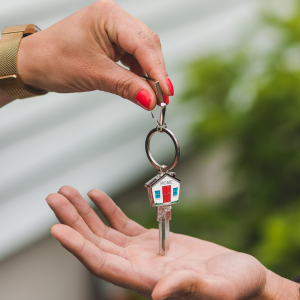
If the person who bought your house decides to flip it or sell it to someone else while you’re still renting. Your lease doesn’t just vanish.
California law requires the new buyer to honor your existing lease. So if you’ve got eighteen months left, they’ve got to let you stay for those eighteen months under the same terms you already agreed to. They can’t show up and tell you to leave next week just because they bought the place.
Now, once your lease actually ends, that’s when things could change. The new owner might not want to renew. They might want different terms.
Many homeowners negotiate longer leases upfront or add a clause that gives them first dibs if the property goes back on the market. Some people also negotiate for relocation money in the original lease, just in case.
That way, if you do have to move eventually, at least you’ve got some cash to cover deposits and moving costs.
If you’re considering selling your home and renting it back, contact us to receive a fair, no-obligation offer. We’ll walk you through your options, explain how lease protections work under California law, and help you negotiate terms that give you stability and peace of mind.
The Pros and Cons of This Arrangement
Nothing’s perfect. Sale-leasebacks can be awesome for the right situation, but they’re not some magic fix that works for everyone.
Benefits of Selling and Staying
- You get cash now without the nightmare of moving. All that equity you’ve built up over the years becomes actual money you can use instead of just a number on paper.
- Your life doesn’t get turned upside down. Kids stay in the same school. You keep the same commute. Your neighbors are still your neighbors. You’re not spending weekends packing boxes or arguing with your spouse about whether you really need to keep that old lamp.
- If you’re facing foreclosure, this can save your credit score. The sale pays off your mortgage, and the foreclosure stops. You get to stay put. Your credit takes a much smaller hit than it would if the bank actually foreclosed.
- You dump all the homeowner headaches. If the roof needs replacing, not your problem anymore. When the water heater dies, call the landlord. Property taxes go up? Someone else’s concern now.
- There’s something freeing about no longer being tied to a property. You’ve got liquid assets. You can invest that money, help family, start a business, whatever you want.
Potential Drawbacks to Consider
- You don’t own your house anymore. That’s a mental shift some people struggle with. You’re building someone else’s equity, not your own.
- Rent can go up when your lease renews. Sure, California has some rent control protections in certain cities, but if you’re not covered, your landlord could jack up the rent, and suddenly your affordable arrangement isn’t so affordable anymore.
- You’re at the mercy of your landlord’s decisions. They might decide to sell. They might not want to renew your lease. They might want to renovate and move in themselves. You’ve got lease protections while your contract’s active, but after that, you’re in a more vulnerable position.
- There’s no guarantee you can stay forever. Even with a long lease, eventually it ends. If you were hoping to age in place until you’re ninety, this might not be your best bet unless you negotiate some seriously solid long-term protections.
- If the buyer turns out to be a terrible landlord, you’re kind of stuck. If your landlord is bad at responding to repair requests or nitpicky about every little thing, you’ll be dealing with that for the duration of your lease.
- You’re giving up future appreciation. If LA real estate keeps climbing as it has been, that’s all the profit for the new owner. You won’t see any of those gains.
Alternative Options If Sale-Leaseback Isn’t Right for You
Thinking a sale-leaseback sounds too risky or just doesn’t fit your situation? Fair enough. There are other ways to get money out of your house or avoid foreclosure without doing the whole sell-and-rent-back thing.
Traditional Sale with Extended Closing
You can sell your house the regular way, but negotiate a longer escrow period or a rent-back clause that gives you 30, 60, or even 90 days after closing to move out. Buyers in LA are sometimes cool with this, especially if the market’s competitive and you’re accepting their offer.
You get time to find a new place without the stress of being homeless between selling and buying. The difference from a sale-leaseback is that you’re definitely moving, just not immediately. You’re not renting long-term from the buyer.
Some sellers even negotiate a free rent-back period, during which they don’t pay anything for those extra weeks. It depends on how badly the buyer wants the house and how strong your negotiating position is.
Home Equity Loans or Lines of Credit
If you’ve got decent credit and equity in your house, you can borrow against it without selling. A home equity loan gives you a lump sum. A HELOC works more like a credit card, where you draw what you need when you need it.
The upside is you still own your house and keep building equity. The downside is that you’re taking on more debt and have monthly payments to make. If you’re already struggling financially, adding another payment might not be the smartest move.
Interest rates can be decent, though, especially compared to credit cards or personal loans. And the interest might be tax-deductible if you use the money for home improvements.
Reverse Mortgages for Seniors
If you’re 62 or older, a reverse mortgage lets you borrow against your home’s equity without monthly payments. The loan gets repaid when you sell the house, move out permanently, or pass away.
Sounds great on paper, but reverse mortgages come with fees. Like, a lot of fees. We’re talking origination fees, mortgage insurance, and closing costs. And the loan balance grows over time because interest keeps accruing.
You also have to keep up with property taxes, insurance, and maintenance. If you fall behind on those, the lender can foreclose. So it’s not exactly worry-free.
But if you need income and plan to stay in your house long-term, it can work. Just make sure you understand all the costs and rules before signing anything.
Working with Cash Buyers for Flexible Arrangements
Cash buyers are usually way more open to sale-leasebacks than regular homebuyers. They’re not dealing with banks or mortgage approvals, so they can move fast and get creative with terms.
They close in weeks instead of months, which matters if you need money quickly. And since most cash buyers are already investors thinking about rental income, a sale-leaseback proposal isn’t weird to them; it’s actually kind of perfect. They get a property and an immediate tenant who already knows the place.
You can negotiate things that would never work in a traditional sale. Things like longer leaseback periods, flexible rent terms, or buyback options. Southern California cash buyers have room to work with you, and they’re less likely to back out since there’s no loan that could fall through.
Frequently Asked Questions:
Can I really sell my house and keep living in it in Los Angeles?
Yes, totally legal. You sell the property, transfer the deed, and then sign a lease agreement to rent it back from the new owner. California law doesn’t have any problem with this arrangement.
How long can I stay in my house after selling it?
Depends on what you negotiate. Most sale-leasebacks run six months to three years, but you can sometimes work out longer terms. When your lease ends, you can try to renew, move out, or potentially buy it back if that was part of your original deal.
What happens to my mortgage when I sell?
The sale proceeds pay off your existing mortgage at closing. Whatever’s left after paying off the loan and closing costs is yours to keep. The foreclosure process stops if you are facing that.
How much rent will I pay?
Usually, somewhere around the market rate for similar rentals in your area. You can sometimes negotiate a lower rent if you’re offering other advantages, such as a longer lease term or accepting a slightly lower sale price.
What if the new owner wants to sell the property again?
California law says the new buyer has to honor your existing lease. So if you’ve got a year left, they’ve got to let you stay for that year under the same terms. Once your lease is up, though, things could change depending on what the new owner wants.
Do I still have to pay for repairs and maintenance?
That depends on what’s in your lease agreement. Typically, the landlord handles major repairs and maintenance, but you might be responsible for minor stuff. Get it all spelled out clearly in your lease so there’s no confusion.
Can I buy my house back later?
Only if you negotiate that option upfront. Some sale-leaseback deals include a buyback clause at a predetermined price, but it’s not automatic. You need to work that into your original agreement.
What’s the difference between a sale-leaseback and a reverse mortgage?
A reverse mortgage is a loan that gets repaid when you move out or pass away, and you still own the house. A sale-leaseback means you sell the property and then rent it back. Sale-leasebacks give you a lump sum without ongoing loan requirements, but you give up ownership.
Are there tax implications I should know about?
Yes, selling your house can trigger capital gains taxes depending on how long you’ve owned it and how much profit you make. Talk to a tax professional about your specific situation because everyone’s different.
How do I find a buyer willing to do a sale-leaseback?
Cash buyers and real estate investors are your best bet. They’re usually more flexible and interested in rental income anyway. Traditional homebuyers who want to move in themselves won’t work for this.
The Bottom Line: Can I Sell My House in Los Angeles, CA, and Still Live in It
Sale-leasebacks let you sell your LA house and keep living there as a renter. It’s a real option that works for people facing foreclosure, needing quick cash, or just wanting to tap their equity without the chaos of moving.
If you’re thinking about selling your house in Los Angeles while staying in it, Blue Wave Investments can help you explore your options. We work with homeowners on sale-leaseback arrangements and other flexible solutions. Give us a call at (866) 613-3041 or fill out the form below to get started!
Helpful Los Angeles Blog Articles
- Can I Rent Out My House During Divorce in Los Angeles, CA
- Can You Sell a House As-Is Without Inspection in Los Angeles, CA?
- Can I Sell My House in Los Angeles, CA, and Still Live in It?
- Can I Sell My House in Los Angeles, CA, if I Filed Chapter 13?
- Should I Replace Windows Before Selling My House in Los Angeles, CA?