
Leaving your home vacant in California has risks. Blue Wave Investments can help you know how long it’s safe to leave your house empty.
Understanding Vacancy Exclusion in California
Property owners in California need to understand the idea of vacancy exclusion, especially if they are going to leave a property empty for a long time. Understanding how vacancy exclusion fits into California law can have a big effect on how property managers run their businesses and help you figure out what your duties are as a landlord. In this part, we’ll talk about what a “vacancy exclusion” is and what it means for managing rental and vacant homes in the state.
What Constitutes a Vacancy Exclusion in CA?
California law says that a property is unoccupied only under certain legal conditions. This is called vacancy exclusion. When a property is empty, it may briefly be eligible for a vacancy exclusion, which is a status that many insurance policies and city rules are linked to. Landlords in California should be very conscious that vacant residential properties can be subject to different rules than those that are occupied. To identify when a property is in this category, you need to know how long a home can be empty without breaking any state laws.
In California, municipal regulations and insurance terms often utilize differing definitions of the word “vacant.” For example, insurance companies usually demand properties to be lived in at least part of the time in order to keep certain coverages. So, if no one lives in your home for a certain amount of time, it could lose coverage. This is why it’s important to talk to your insurance company during the planning stages. In the same way, different communities in California may have their own rules on what makes a property empty. This means that your unoccupied property may be subject to rules that could affect tax assessments or other rules.
The concept of vacancy exclusion also plays a role in tenant relationships and rental property management. Landlords in California who are in charge of empty units must make sure that the terms of the rental, including lease agreements, take into account possible periods of vacancy. Landlords also need to think about how lengthy vacancies will affect upkeep and security, since empty units are more likely to be vandalized or fall apart. So, knowing what vacancy exclusion means will help homeowners stay on top of their legal and financial responsibilities.
Implications of Vacancy Exclusion on Property Management in California
The exclusion of vacancy brings about various consequences for property owners in managing their unoccupied units, especially in relation to insurance maintenance, adherence to local regulations, and property tax obligations. For landlords in California, understanding these implications is essential for enhancing property management approaches.
A key issue to consider is managing the possible rise in insurance premiums when properties are temporarily vacant. Numerous insurance providers consider vacant properties to be at an increased risk, requiring extra steps to ensure full coverage is upheld during these times. Consequently, property owners ought to plan for improving security measures and ensuring ongoing surveillance systems to reduce perceived threats.
Another important consideration is compliance with local regulations pertaining to unoccupied residential properties. California law establishes a comprehensive framework, yet local municipalities may impose further restrictions that landlords must carefully consider. Certain municipalities might enforce penalties or stipulations for properties that remain unoccupied past specific limits, affecting the financial responsibilities of the property owner. As a result, property owners need to keep up-to-date with local regulations to avoid unforeseen costs or compliance challenges.
Moreover, prolonged vacancies can significantly impact property conditions, highlighting the necessity of effective property management. Unattended properties, if not properly overseen, may fall into disrepair, leading to increased maintenance or renovation costs when they are eventually occupied again. In response, property owners may want to explore the option of utilizing property management services to guarantee that their property undergoes regular inspections and maintenance throughout these exclusion periods.
In the end, grasping the comprehensive impacts of vacancy exclusions equips landlords with essential knowledge for effectively managing vacant units, ensuring they are well-maintained and adhere to all local and state regulations.
Vacancy Exclusion limits insurance coverage for unoccupied properties. If you plan to sell your home for cash in California, an extended vacancy may affect coverage and value.
Exclusion Periods and Their Impact on Property in California

Understanding exclusion periods is essential for property owners in California, particularly when it comes to leaving a property unoccupied. The specified timeframes determine how long properties can stay vacant without encountering legal or financial consequences. Grasping exclusion periods enables property owners to stay compliant and enhance their property management approaches. This section delves into the concept of exclusion periods for property owners and their specific effects on vacant residential properties, highlighting the delicate equilibrium between maintaining compliance and efficiently managing unoccupied units.
Defining Exclusion Periods for Property Owners in CA
In California, exclusion periods denote the timeframe permitted for a property to stay vacant without facing penalties or forfeiting specific rights. The duration of vacancy significantly influences the strategies property owners employ for managing their unoccupied units, as various regulations are activated when properties remain empty for prolonged periods. An exclusion period often impacts insurance coverage, determines tax obligations, and requires adherence to local regulations. For example, numerous insurance providers might categorize a property as high risk if it remains unoccupied for a certain duration, which can influence both the insurance premiums and the extent of coverage available. As a result, property owners frequently encounter higher premiums or the potential loss of insurance coverage if their properties remain vacant beyond the specified exclusion period.
Local municipalities implement various regulations that may influence the financial responsibilities of property owners. These regulations could involve compulsory registration for unoccupied properties or increased tax rates for those that remain vacant for extended durations. Establishing these exclusion periods is essential for property owners to steer clear of potential fines and to uphold a strong financial and legal position. Moreover, exemption claims could be relevant, offering temporary relief or extending compliance deadlines under certain conditions that differ by location. Property owners should thoroughly understand these exclusion period nuances and consult local ordinances or legal advice to ensure they manage their assets within the bounds of California law.
A proactive approach towards dealing with exclusion periods not only minimizes legal trouble but also enhances long-term property management. Strategic planning may include establishing security measures, performing routine maintenance checks, or creating schedules for re-letting the property. Being knowledgeable about exclusion periods allows property owners to enhance their strategies, ensuring their properties stay profitable and compliant during times of vacancy.
How Exclusion Periods Affect Vacant Residential Spaces in CA
Exclusion periods significantly influence the management of vacant residential properties and the actions property owners must take to comply with California’s legal regulations. When properties are left unoccupied past these defined periods, owners may face steep penalties or changes in tax assessment for their vacant property. In addition to financial consequences, extended exclusions may result in difficulties in preserving the property’s physical condition. Vacant properties are more vulnerable to vandalism and environmental deterioration, thereby increasing maintenance expenses if not meticulously overseen.
Regular inspection and repair are essential during these exclusion periods to maintain the property’s condition. Furthermore, exclusion periods may affect the requirement for security measures, such as alarm systems and surveillance cameras, to dissuade possible vandals. Property owners may face regional variations, as different cities may have distinct policies regarding vacant residential properties. It is imperative to understand local regulations that may entail registration costs or sanctions for surpassing permitted vacancy periods.
The deliberate prolongation of these exclusion periods may be achievable by submitting particular exemption claims, typically necessitating evidence of attempts to sell or lease the property. Comprehending the complete extent of how exclusion periods affect unoccupied residential properties facilitates informed decision-making and proactive measures. By employing an appropriate strategy, property owners can alleviate risks linked to vacancy and guarantee their properties are ready and compliant for re-entry into the market or re-occupation. This not only protects investments but also increases property value through meticulous and proactive management designed to navigate these intricate legal frameworks.
Exclusion periods can delay property sales, causing financial strain. At Blue Wave Investments, we buy houses in Covina and nearby areas, offering a fast, hassle-free way to sell.
Complying with Property Regulations in California

Homeowners intending to leave a property unoccupied in California must be well-versed in property regulations and compliance requirements. This section explores the crucial property notices that homeowners in California need to understand in order to stay compliant. Furthermore, it delves into the landlord’s responsibility in maintaining compliance with these regulations, highlighting the significance of an active approach in managing properties. Understanding these regulations is crucial for maintaining legal compliance for properties, avoiding financial penalties, and upholding the integrity and security of the home.
Essential Property Notices for California Homeowners
Property regulations in California depend on homeowners following local and state rules. Mandatory property notices are an important part of these regulations. Notices about property status are official messages that tell people what they need to do or what changes need to be made to stay in line with the law. These can include everything from telling the right people about a change in who will be living in the house to getting permits for any major repairs or changes that are made to the property. Knowing these standards can keep homeowners out of trouble with the law and protect them from unintended financial consequences.
When a homeowner leaves their home empty, it’s clear how important property notes are. Some cities and towns in California require owners of empty homes to file a vacancy registration notice in order to keep the property registered. Local governments can then keep an eye on empty homes, which lowers the risk of things like theft or damage. If these warnings aren’t followed, the homeowner could face fines or higher property taxes, which would put extra strain on their finances. Keeping up with these alerts can help keep your property’s market value and make sure the process goes smoothly when it’s time to sell or rent the property.
Some city laws, like those in San Francisco or Los Angeles, also require empty homes to get energy compliance certificates or safety checks. Compliance here gives homeowners peace of mind because they know their home meets the strictest safety standards. This makes their home more appealing to people who want to buy or rent it. In addition, these notices can be about upkeep rules, encouraging regular checks of the property to make sure it’s in line with local laws. Not only do these proactive steps protect the homeowner’s investment, but they also help the community by keeping neighborhoods safe and property prices stable.
Overall, knowing about all types of property notices is very important because it gives homeowners the power to legally and wisely handle their assets.
The Role of the Landlord in Property Compliance
In California’s varied real estate landscape, the landlord’s duty regarding property compliance holds equal importance to the property itself. California landlords face a range of property management responsibilities that can greatly influence their legal and operational practices. The responsibilities of a landlord extend beyond merely renting out and caring for a property; they must also proactively ensure compliance with all relevant laws and regulations, safeguarding both their interests and those of their tenants from potential legal issues.
Property owners need to stay alert and informed about the evolving regulations that can differ from one city to another across California. This requires a thorough grasp and application of the latest landlord-tenant regulations, including aspects like rent control, eviction procedures, and the rights of tenants. These regulations protect tenants while also holding landlords accountable for the upkeep of their properties, helping to avoid penalties or legal disputes. By focusing on compliance, landlords can protect their investment and reputation, establishing a trustworthy and attractive market presence.
Successful property management plays a crucial role in ensuring compliance, utilizing strategies such as routine property inspections and meticulous record-keeping. Regular inspections play a crucial role in spotting potential problems that need prompt action, guaranteeing that residences stay livable and meet safety regulations. Additionally, property owners ought to create a thorough management strategy that encompasses methods to reduce risks such as theft or natural deterioration, which is particularly crucial for properties that remain unoccupied for long durations. Taking initiative in these aspects not only meets regulatory standards but also boosts tenant happiness and loyalty.
Moreover, landlords in California are urged to work together with their tenants, promoting transparent communication about maintenance and the use of the property. Clear communication reduces misunderstandings and fosters a stronger tenant-landlord relationship, facilitating smoother transitions between tenancies. Utilizing expert property management services can prove advantageous, providing knowledge in ensuring compliance and alleviating stress for landlords overseeing multiple properties.
In the end, a landlord’s responsibility in property compliance involves a careful mix of attentiveness, effective communication, and thoughtful planning, all aimed at keeping properties both profitable and in line with necessary regulations.
Property compliance ensures buildings meet legal, safety, and regulatory standards. For more help, Contact Us at Blue Wave Investments.
Navigating the Move-Out Process in CA
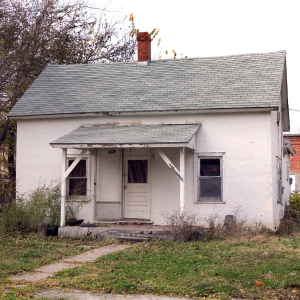
Leaving a property vacant in California necessitates extensive planning and execution to minimize potential complications. Understanding how to handle the move-out process ensures that your property remains in good shape and complies with local standards. This section will provide crucial ideas for a smooth transfer while avoiding penalties, as well as techniques for quickly welcoming new tenants into your property.
Tips for a Smooth Move and Avoiding Penalties in California
It’s important to plan ahead while leaving your California house vacant to avoid penalties and comply with state laws. Break down the relocation into small tasks, focusing on legal responsibilities like alerting your insurance company of the vacancy. Foregoing this step might cause coverage lapses, especially since many policies require properties to be occupied for a certain amount of time each year. Keeping your rental insurance active might protect you from unexpected liabilities during vacancy.
Understanding the local municipality’s rules on unoccupied property is also crucial. Many California communities require unoccupied homeowners to register their homes to prevent blight and maintain standards. These notices must be followed to avoid fines. Residential property owners should also consider the penalties for neglecting their property. Alarm systems and regular property visits help dissuade vandals and prevent unoccupied structures from deteriorating. These precautions improve security and prevent legal issues from neglected assets.
A planned move-out strategy should also alert renters, if applicable, in advance to ensure a smooth transition. Avoiding tenant rights and eviction difficulties, which can quickly become complicated, is crucial. Clear communication helps landlords and tenants agree on move-out timeframes and duties, reducing conflicts and ensuring a smooth move-out. Due diligence in these areas will prevent surprise penalties and promote a seamless transition, preparing your unoccupied property for occupancy and compliance.
Ensuring Your Property Is Ready for New Tenants in California
Getting a property ready for new tenants requires more than a simple tidy-up; it’s essential to make sure the home complies with all legal and operational standards to draw in quality tenants swiftly. Begin with a comprehensive assessment of the property, paying close attention to uncovering any possible risks or regulatory concerns that may emerge during the leasing procedure. Tackling these issues head-on not only prevents possible legal complications but also safeguards property value by keeping it in good shape.
Key evaluations could involve refreshing safety features such as smoke detectors and carbon monoxide alarms, as well as confirming that structural integrity meets current standards. To ensure a seamless transition, it’s advisable to carry out essential maintenance or enhancements to align older properties with today’s market expectations. This could involve updates that enhance energy efficiency or improvements that boost aesthetics, attracting a wider range of tenants while adhering to regulations.
In California, certain municipalities mandate an inspection for energy and water conservation prior to leasing. Therefore, it is essential to finalize these updates in advance to streamline the rental process. Creating a friendly and inviting atmosphere right from the first step prospective tenants take is essential. Clear out personal items and simplify the space to help prospective tenants imagine their future there. Additionally, think about staging important rooms to boost their attractiveness.
Moreover, think about enlisting professional cleaning services for a thorough clean, as this can greatly enhance the property’s appeal in the market. Effectively promoting the property, including captivating online listings featuring high-quality images and comprehensive descriptions, is a crucial step to guarantee prompt occupancy. Finally, gather all essential documents for new tenants, including lease agreements that outline tenant responsibilities and provide clear information regarding property rules.
Effective communication at this point can enhance the leasing process and foster a positive dynamic between tenants and landlords. By aligning property readiness with legal requirements and strategic marketing, landlords in California can effectively shorten vacancy times, enhance rental revenue, and promote lasting tenant satisfaction.
Looking to sell your home? Whether you want a quick sale, want to avoid repairs, or prefer an easy process, Blue Wave Investments can help. We give fair cash offers and handle everything from start to finish. Call (866) 613-3041 for your no-obligation offer now!
FAQs:
What is a Vacancy Exclusion in California Property Law?
Vacancy exclusion refers to the legal conditions set by California law under which a property is considered vacant. This status is important for insurance and municipal purposes, and it can affect the property differently compared to when it is occupied. Understanding this concept helps in managing vacant residential and rental properties effectively.
How Do Exclusion Periods Affect Property Management in California?
Exclusion periods dictate how long a property can remain unoccupied without incurring penalties or losing certain rights. This impacts insurance coverage, tax liabilities, and local compliance. Property owners must adhere to these periods to avoid penalties and optimize their management strategies.
What Are the Insurance Implications of Leaving a Property Vacant in California?
Insurance companies may view vacant properties as higher-risk, resulting in increased premiums or loss of coverage. It’s essential for property owners to consult their insurance providers and ensure adequate coverage during unoccupancy periods, often requiring security measures to mitigate risks.
What Are Mandatory Property Notices for Vacant Homes in California?
Property notices are official communications that ensure homeowners comply with local and state laws. These include vacancy registration notices, necessary permits, and compliance with safety or energy standards. Understanding these requirements helps prevent legal issues and maintain property value.
How Can Property Owners Prepare for Leaving a Property Vacant?
Owners should notify their insurance companies, comply with local registration of vacant homes, and secure the property with alarms and regular inspections. They should also ensure maintenance and consider legal obligations regarding tenant rights and notifications to avoid penalties.
Helpful California Blog Articles